Home › Threads & Wicks › Factory-Direct Tufting Yarn, Plied and Dyed in Jaipur
Factory-Direct Tufting Yarn, Plied and Dyed in Jaipur
✓ Specs last checked: 2026-09-02
We buy singles and ply them on our own twisting frames into 2, 3 and 4-ply rug-weight tufting yarn, then package-dye the plied yarn to your shade and wind it onto cones sized for gun feed. Every dyed shade runs in acrylic or wool; the natural, undyed yarn is cotton, and at bulk volumes other fibres are plied to your specification. We don't spin raw fibre — plying, dyeing and coning all happen under our roof. Trial orders start at 1,000 m and quotes come back within one working day.
Tufting yarn has to do one thing above everything else: run through a gun without snagging, splitting or stalling. That comes down to how the yarn is plied and how cleanly it's wound, which is exactly the part of the chain we control on our own machines in Jaipur.
How our rug tufting yarn is built
The honest starting point: we don't spin raw fibre. We buy singles — acrylic, wool or cotton — from spinning mills, and everything after that happens on our floor.
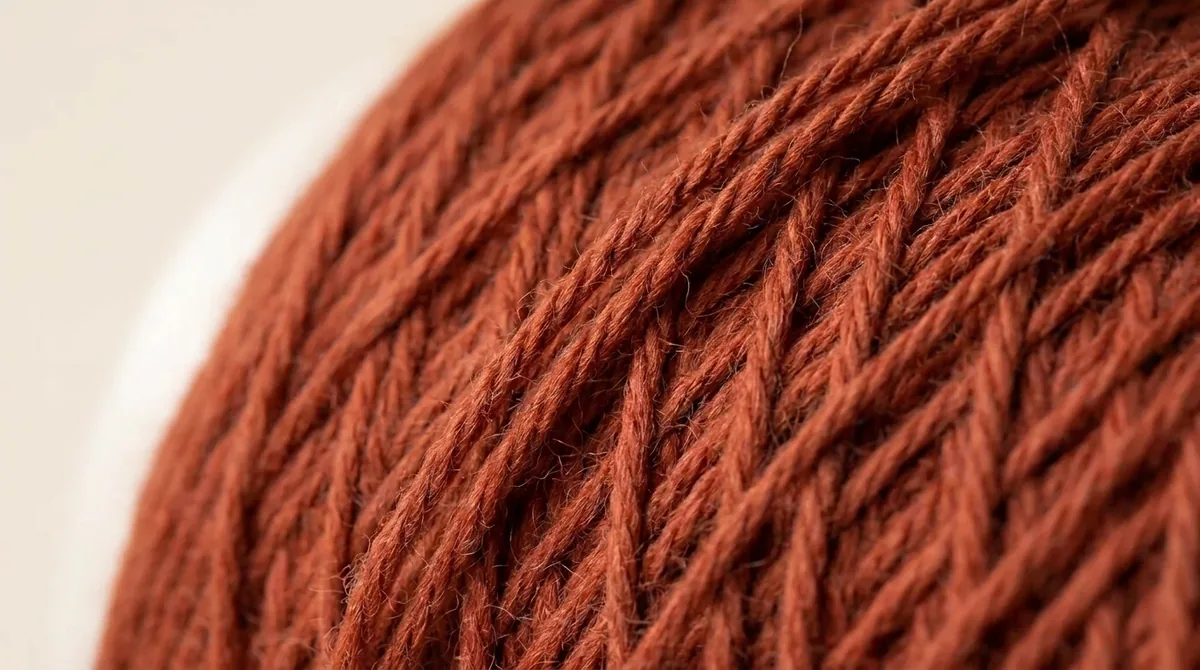
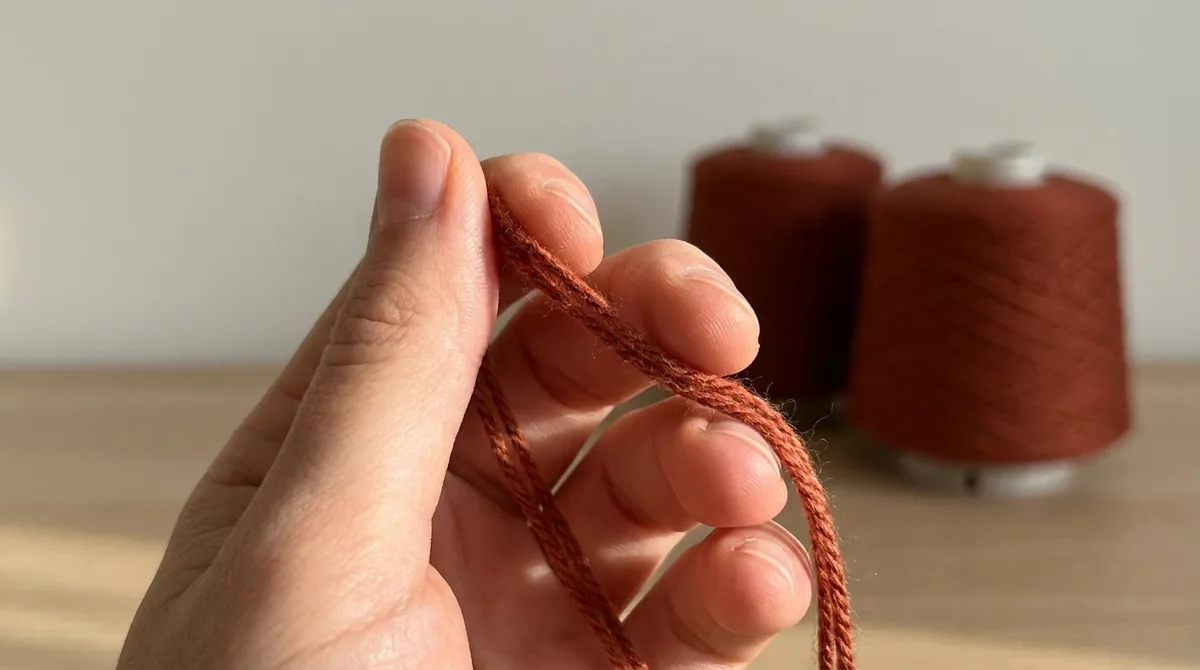
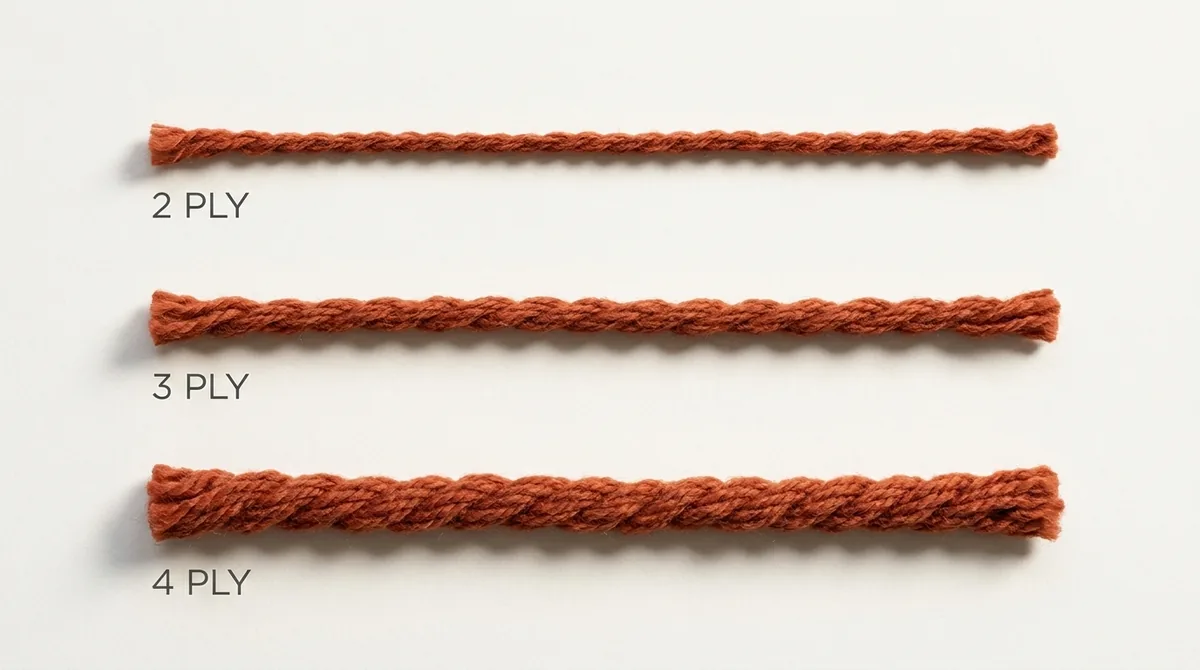
Those singles go onto our twisting frames, where we ply them into rug-weight yarn. Two, three or four ends depending on the pile weight you want, with the twist per metre set so the yarn holds together under the tension of a tufting gun but still blooms when it's sheared. That balance is the whole job. Under-twisted yarn frays and fluffs inside the gun's feed tube; over-twisted yarn kinks, snarls off the cone and leaves a hard, wiry pile that won't carve.
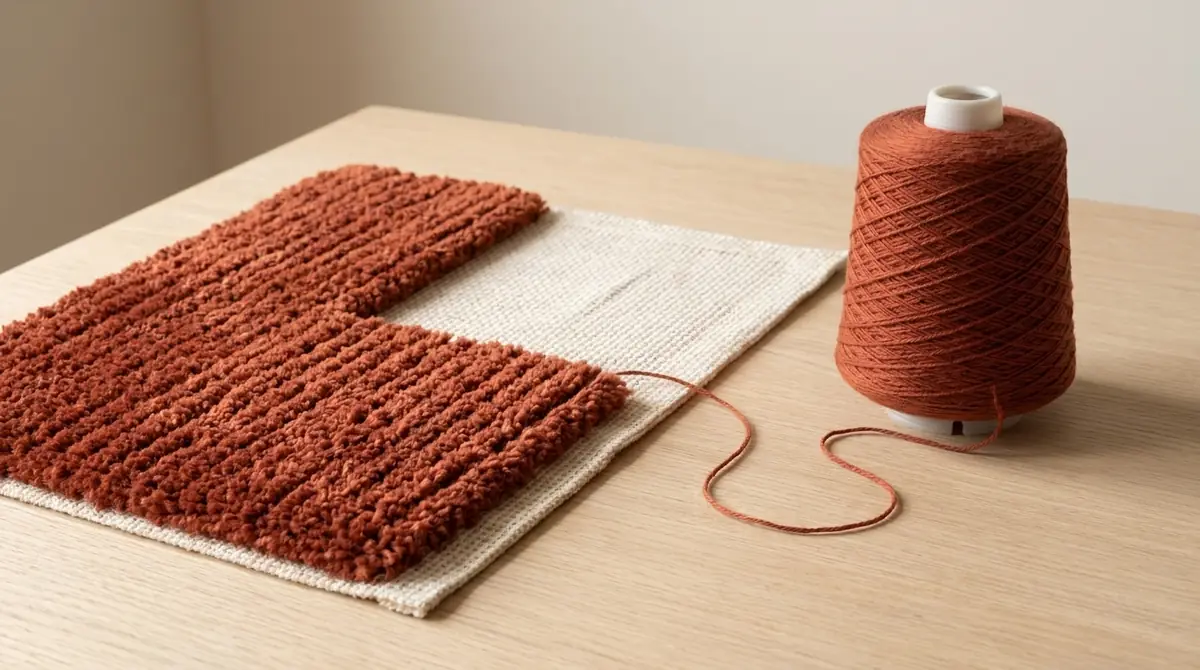
We balance S and Z twist so the finished yarn hangs straight rather than corkscrewing. On a tufted rug that shows up as rows that sit parallel instead of leaning, which is the difference between a clean field of colour and a surface that reads uneven under raking light.
Fibre choice changes the hand more than anything else, and the shade settles part of it. Every dyed shade runs in acrylic or wool. Acrylic is the volume workhorse — bright shade take-up, springy pile, easy on cost for large panels. Wool carves and shears beautifully and holds a crisp edge on relief work. The natural, undyed yarn is cotton, which gives a denser, flatter, more matte pile and suits low-cut graphic pieces. At bulk volumes other fibres are plied to your specification.
Colour: package dyeing after the ply
We dye after plying, not before. The plied yarn goes onto dye packages and the colour is forced right through the wound cross-section, so the shade is even from the outside of the cone to the core rather than sitting unevenly on singles that were twisted together afterwards.
Matching is done against a physical swatch or a Pantone reference. We run a lab dip first, send it for approval, and only go to bulk once you've signed it off.
Order the full quantity of any background or field colour in one dye lot. Two lots of the same shade can sit a hair apart, and across a large tufted background that hair becomes a visible band.
How wholesale and bulk tufting yarn orders work with us
Most enquiries move through the same four steps, and it's usually a matter of weeks rather than months.
Describe the yarn, not just the product. Fibre, rough weight or finished diameter, number of plies, and whether you're cutting or looping. If you only know the rug you want, send a sample of the yarn you currently run and we'll work backwards from it.
Trial order from 1,000 m. Small on purpose. Take one shade in one weight, run it through your gun, shear it, and see how it behaves before committing to a palette.
Approve the shade. Lab dip or physical sample against your reference, before any bulk dyeing starts.
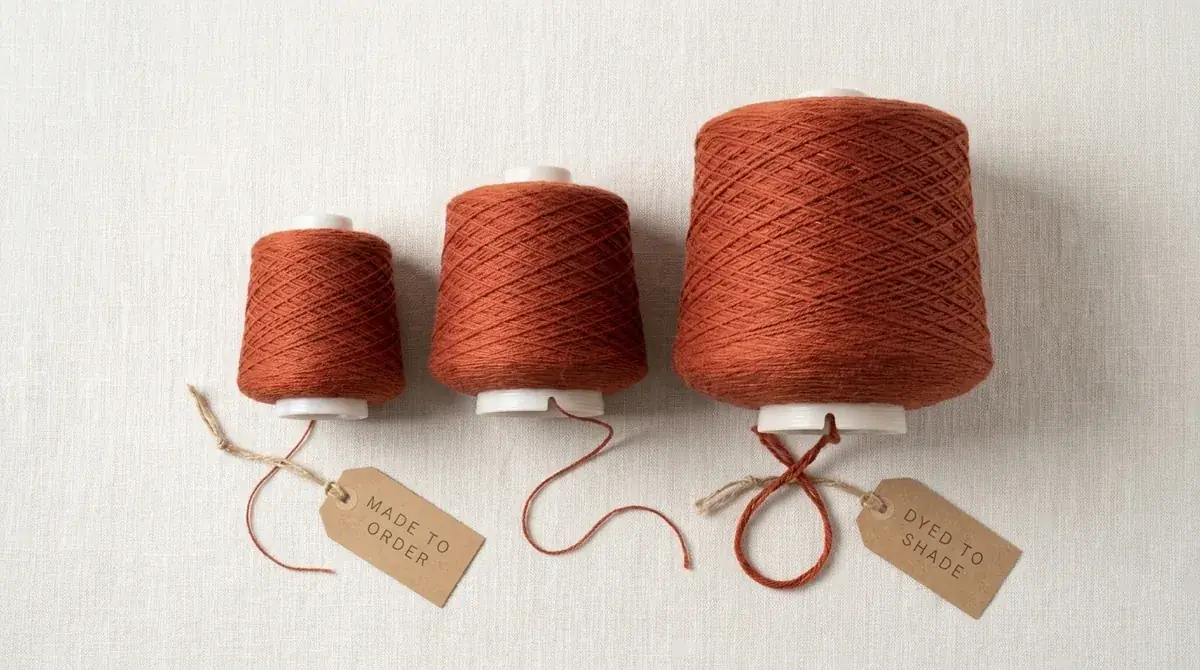
Set the put-up. Cone weight matters more here than in most yarn categories — tell us your gun and rack setup and we'll wind to a size that feeds cleanly without constant changeovers.
Quotes come back within one working day. Give us the destination port and we'll say whether air or sea makes sense at your volume.
Dispatch and freight
Ex-works Jaipur — about 2 to 6 days by surface across India. Freight is to your account, by your transporter or ours. Export orders are quoted separately with air and sea options.
Factory-Direct Tufting Yarn, Plied and Dyed in Jaipur — Specifications
Material
Singles bought in and plied in-house — every dyed shade: acrylic or wool; natural and undyed: cotton; other fibres and blends plied to buyer specification at bulk volumes
Construction
2, 3 and 4-ply rug-weight twisted yarn, S/Z balanced to your twist per metre
Sizes
Rug weights from roughly 2mm to 6mm finished diameter; other weights plied to order
Colours
Package-dyed to shade in-house against your swatch or Pantone reference, in acrylic or wool; natural undyed cotton also available
MOQ
1,000 m per SKU, shade and size
Put-up
Wound on cones sized for gun feed; cone weight set to your rack, packed in export cartons
In-house processes
Twisting and plying, package dyeing, coning; spinning of raw fibre is not done here
Suitable for
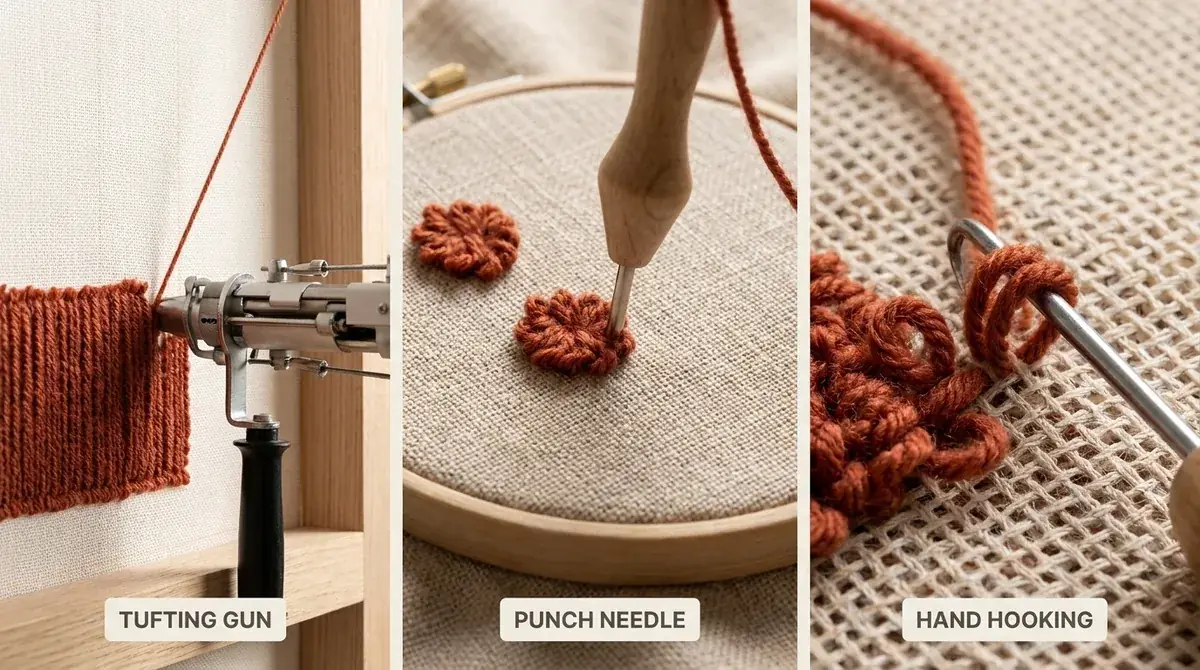
Cut-pile and loop-pile tufting guns, punch needle and hand hooking
Lead time
Quote within one working day; 7-10 days air or 25-40 days sea after shade approval
Origin
Jaipur, India
Frequently asked questions
Do you spin the fibre for your tufting yarn?
No. We buy acrylic, wool and cotton singles from spinning mills and do everything after that ourselves — plying and twist-balancing on our own frames, package dyeing to shade in-house, and winding onto cones for gun feed. Every dyed shade runs in acrylic or wool; the natural, undyed yarn is cotton, and at bulk volumes other fibres are plied to your specification. Raw fibre spinning is the one step we don't carry out, and we'd rather say so than claim a machine we don't run.
Will your yarn feed through a tufting gun without snagging?
That's what the ply spec is for. We set twist per metre so the yarn holds together under gun tension instead of fraying in the feed tube, and we balance S and Z twist so it doesn't corkscrew or snarl off the cone. Tell us your gun type and whether you're cutting or looping, and we'll ply to suit. The 1,000 m trial exists so you can prove it on your own machine before committing.
Can you match a colour palette across several shades?
Yes. We package-dye the plied yarn in-house against physical swatches or Pantone references, send lab dips for approval, and only run bulk once you've signed off. If you're building a coordinated range, order any large background or field colour in a single dye lot, since two lots of the same shade can sit slightly apart and that shows across a big tufted area.
What is the minimum order for wholesale tufting yarn?
Trials start at 1,000 m (approx. 1,094 yards) so you can take one shade in one weight through your own process first. Bulk is quoted per shade and per weight rather than as one blanket minimum, which suits studios buying a wide palette in modest quantities per colour. Quotes come back within one working day.
What does tufting yarn cost wholesale?
₹5-15 per metre ex-works Jaipur, and per kilogram on request since tufters buy by weight. Acrylic sits below wool blends, and cone winding to your machine feed is included rather than extra.
What cone size will the yarn arrive on?
We wind to your setup rather than to a fixed standard. Tell us your gun and cone rack and we'll set a cone weight that runs long enough to avoid constant changeovers but still sits and unwinds properly on your stand. Cones are packed in export cartons for air or sea freight.
Do you supply rug ka dhaga for tufting guns?
Rug ka dhaga — tufting yarn — is this page: rug weights from roughly 2 mm to 6 mm finished, plied for tufting-gun and rug work. Studios order the weight and shade they need at 1,000 metres per SKU, dyed to reference in Jaipur.